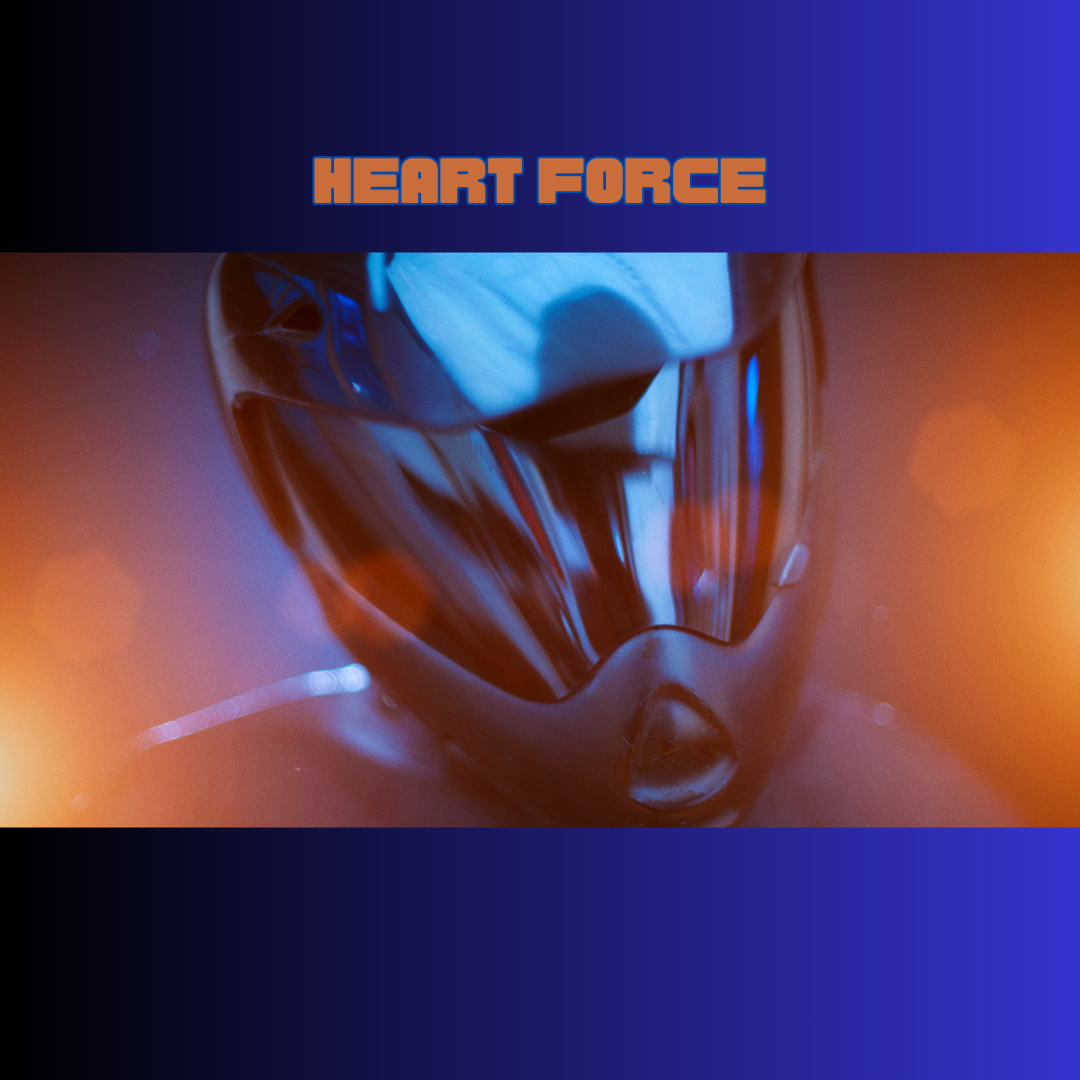
Heart Force serves as a complex 3D simulation test designed to evaluate the interaction between autonomous agents and dynamic environments. Rather than a static experience, the project focuses on the interplay of custom-engineered C# systems—including navigation, engagement logic, and state management—integrated directly with the Unity Framework and APIs. The simulation is built on a modular framework where individual subsystems communicate to maintain environmental stability and agent responsiveness.
Autonomous Agent Navigation and Engagement
The core of the simulation is the behavioral logic governing agent movement and interaction.
- Pathfinding Systems: I developed custom navigation scripts that leverage Unity’s internal frameworks to enable agents to traverse 3D space, calculate optimal paths, and react to environmental obstacles in real-time.
- Engagement Logic: The "combat" system is engineered as a set of engagement behaviors, where agents utilize a custom Weapon System and melee mechanics to interact with the environment and other entities based on scripted tactical states.
Framework and API Integration
To ensure a cohesive simulation, I implemented several structural systems that handle high-level state control:
- Input and Interaction: Developed a robust Input System to manage user interaction within the 3D space, ensuring that controls for character movement and engagement are responsive and performance-optimized.
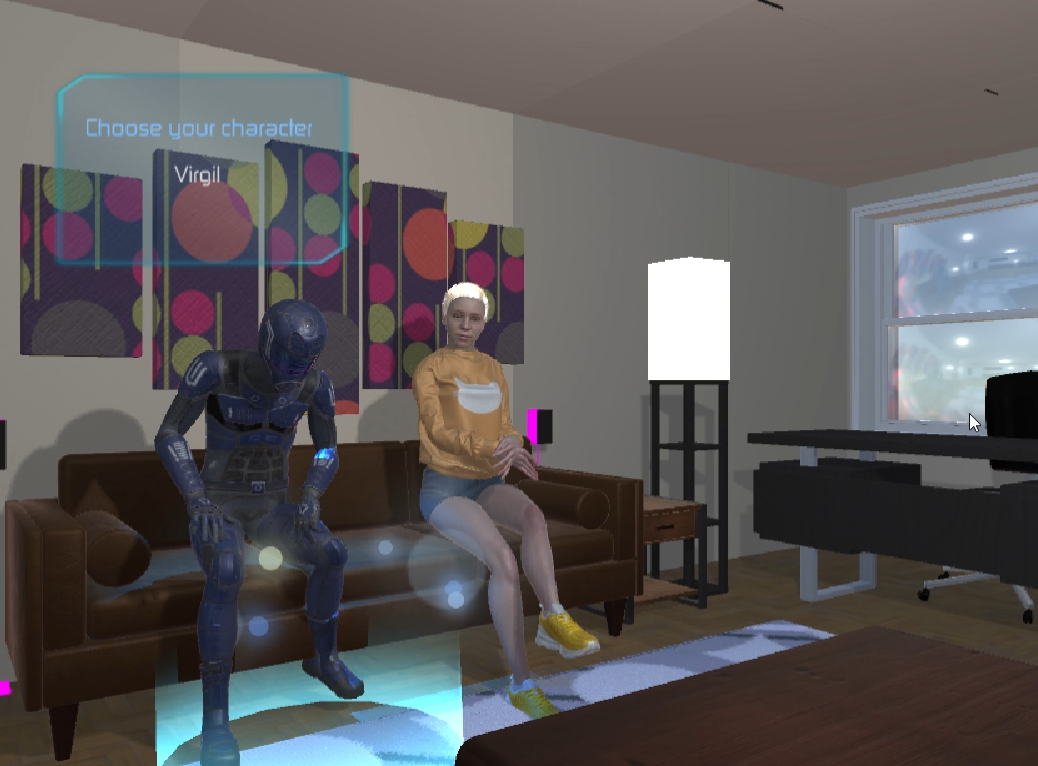
- State Persistence and Scene Management: Utilized Unity’s Scene Management APIs to handle complex transitions, including Character Selection and persistent simulation data across different environments.
- User Interface Architecture: Engineered the Main Menu and in-simulation HUDs using custom gameplay programming to provide real-time feedback on agent status and system metrics.
Performance Optimization and Modularity
A significant portion of the development involved the optimization and debugging of these interconnected scripts.
- Performance Optimization: Implemented robust collision detection and physics-based movement to ensure the simulation maintains a high frame rate even during complex agent interactions.
- Modular Scripting: By utilizing custom C# scripts instead of standard "off-the-shelf" solutions, the architecture remains extensible, allowing for the future integration of more advanced behavioral models or environmental variables.
Simulation Goals
Heart Force demonstrates a sophisticated application of C# scripting and Unity APIs to create a stable, physics-aware environment. The focus remains on the structural integrity of the code and the successful integration of disparate systems—from AI pathfinding to combat mechanics—into a unified, functioning simulation.