Software Overview
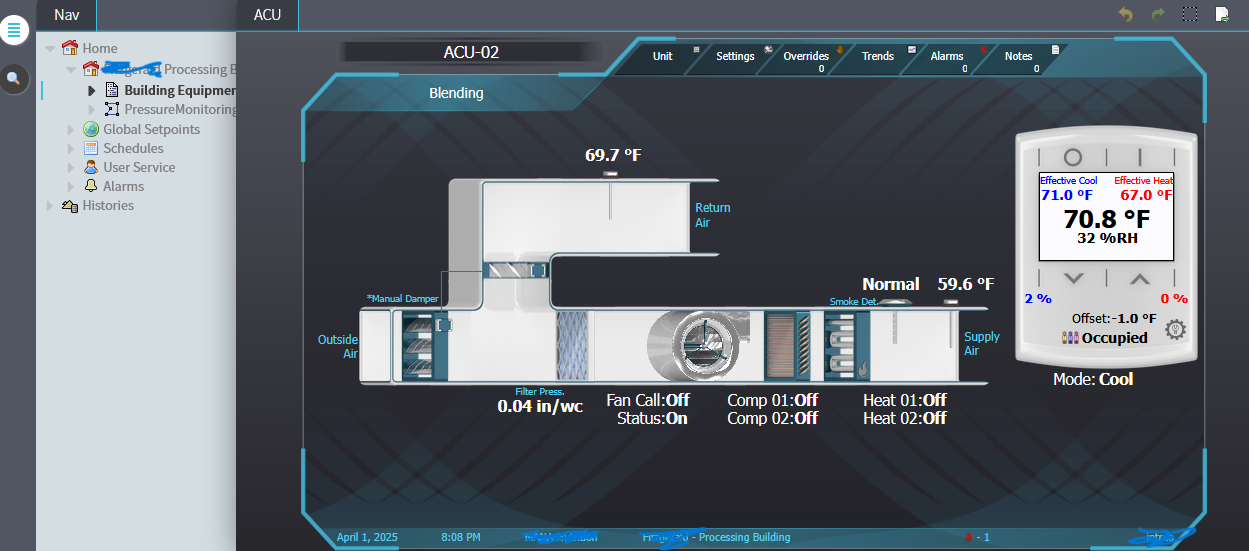
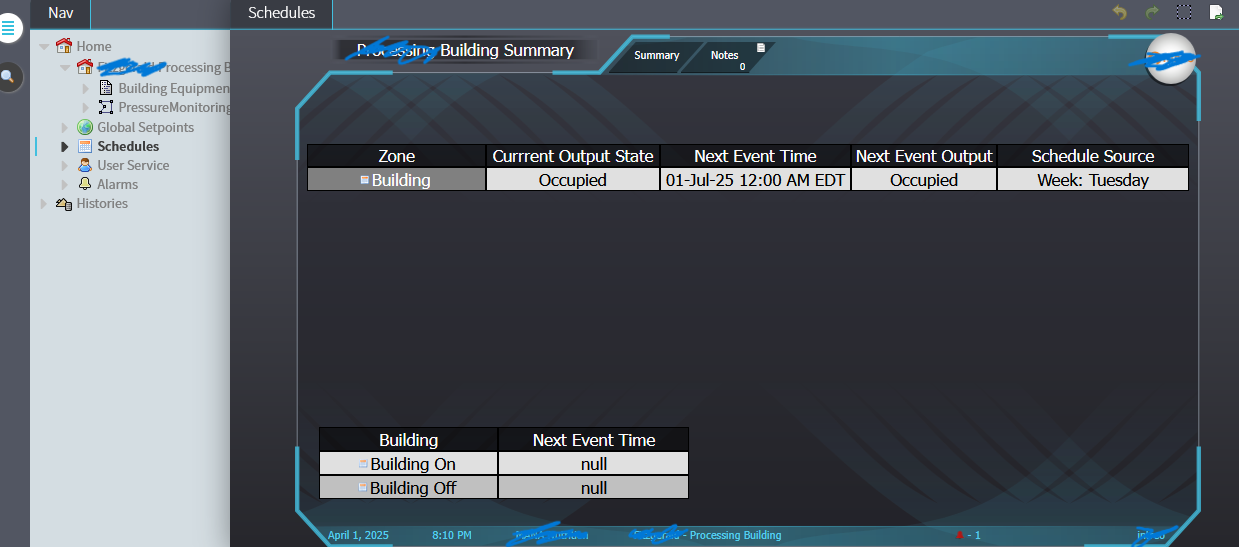
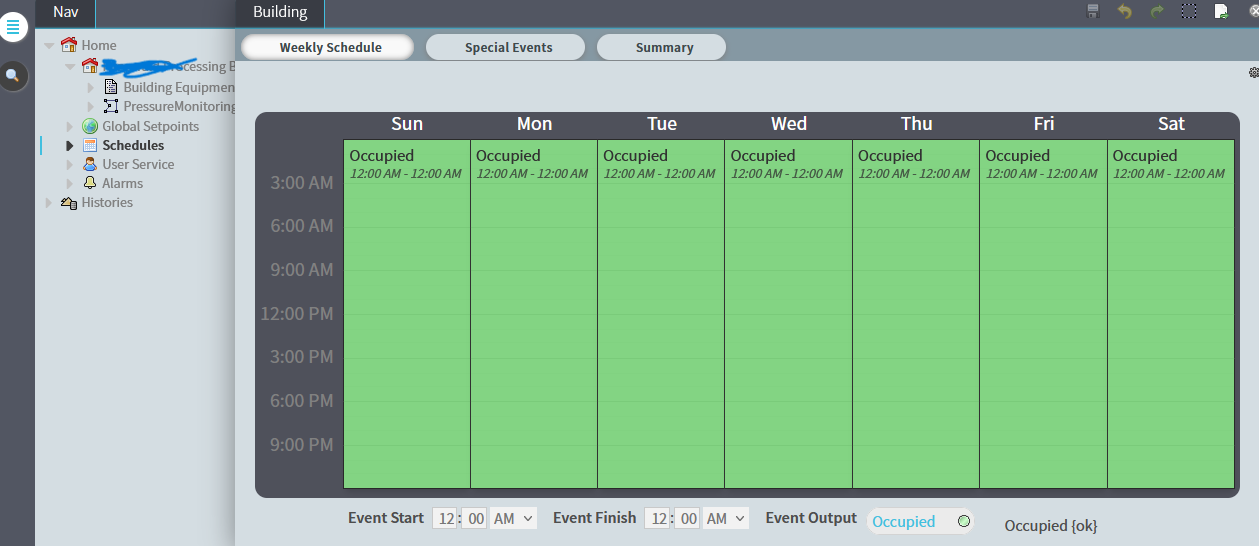
The Building Automation Software (BAS) is a full-stack IoT application designed for active, real-time infrastructure management. The application serves as an integrated platform, allowing bi-directional communication between app users and physical environments. This application enables end users to remotely manage device states and interface with edge devices via internet-connected devices through a web browser.
The software is built on a modular, high-performance architecture designed to unify different layers into a single, responsive application ecosystem.
Deterministic Edge Devices
Each edge node's foundational logic is powered by deterministic, event-driven algorithms developed in a C/C++ based language.
- Real-Time Execution: Engineered to manage complex I/O processing for distributed edge devices under strict real-time constraints.
- Middleware Interfacing: Foundational logic ensures middleware readiness for bidirectional interaction with the web application.
- Modernization: Implemented Python logic to replace legacy C/C++ codebases with a modern, more maintainable language for complex processing.
Middleware Platform
The middleware functions as the core as a scalable bridge that unifies disparate hardware endpoints into a cohesive platform while providing enhanced features, functionality, and algorithms.
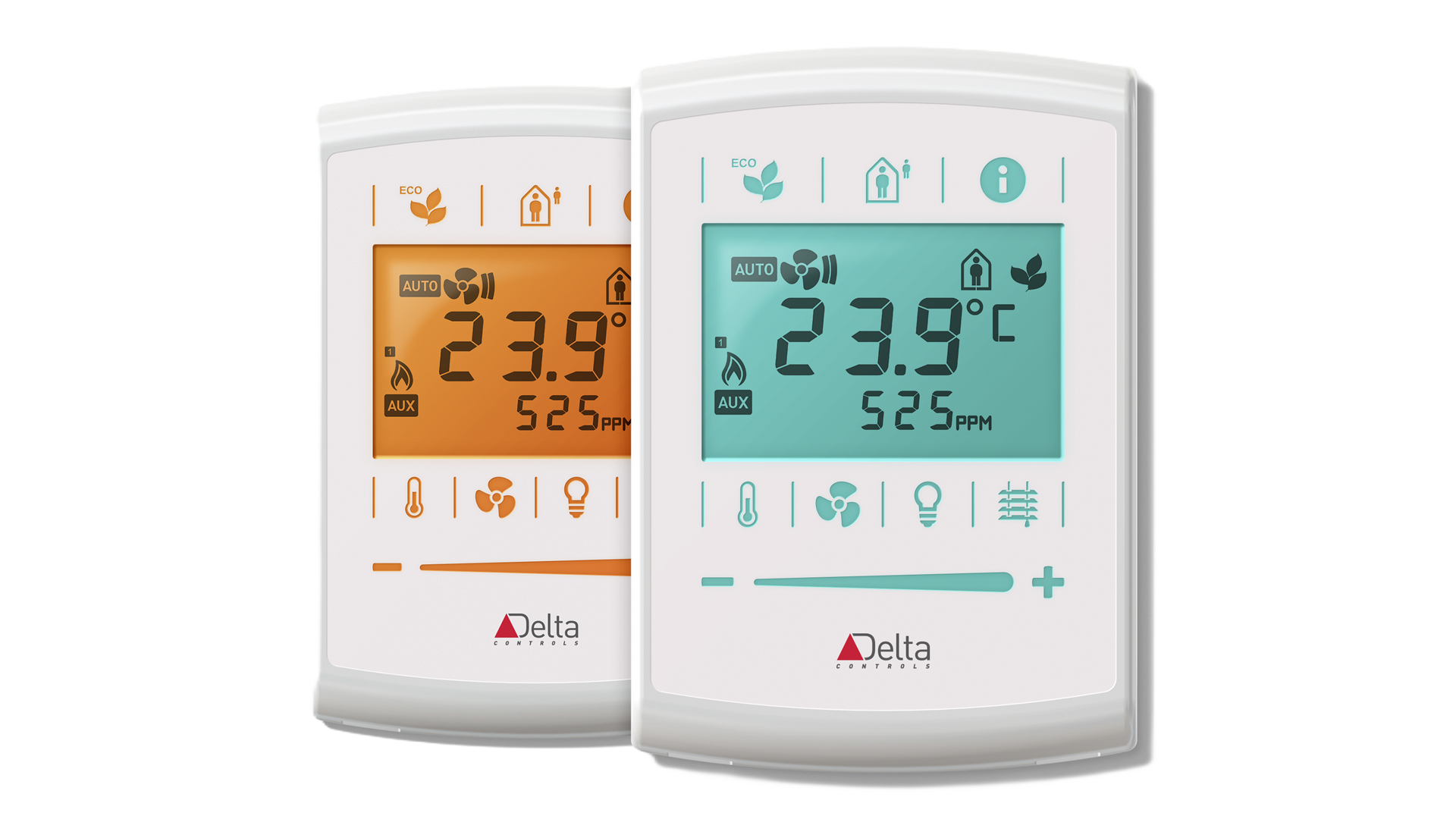
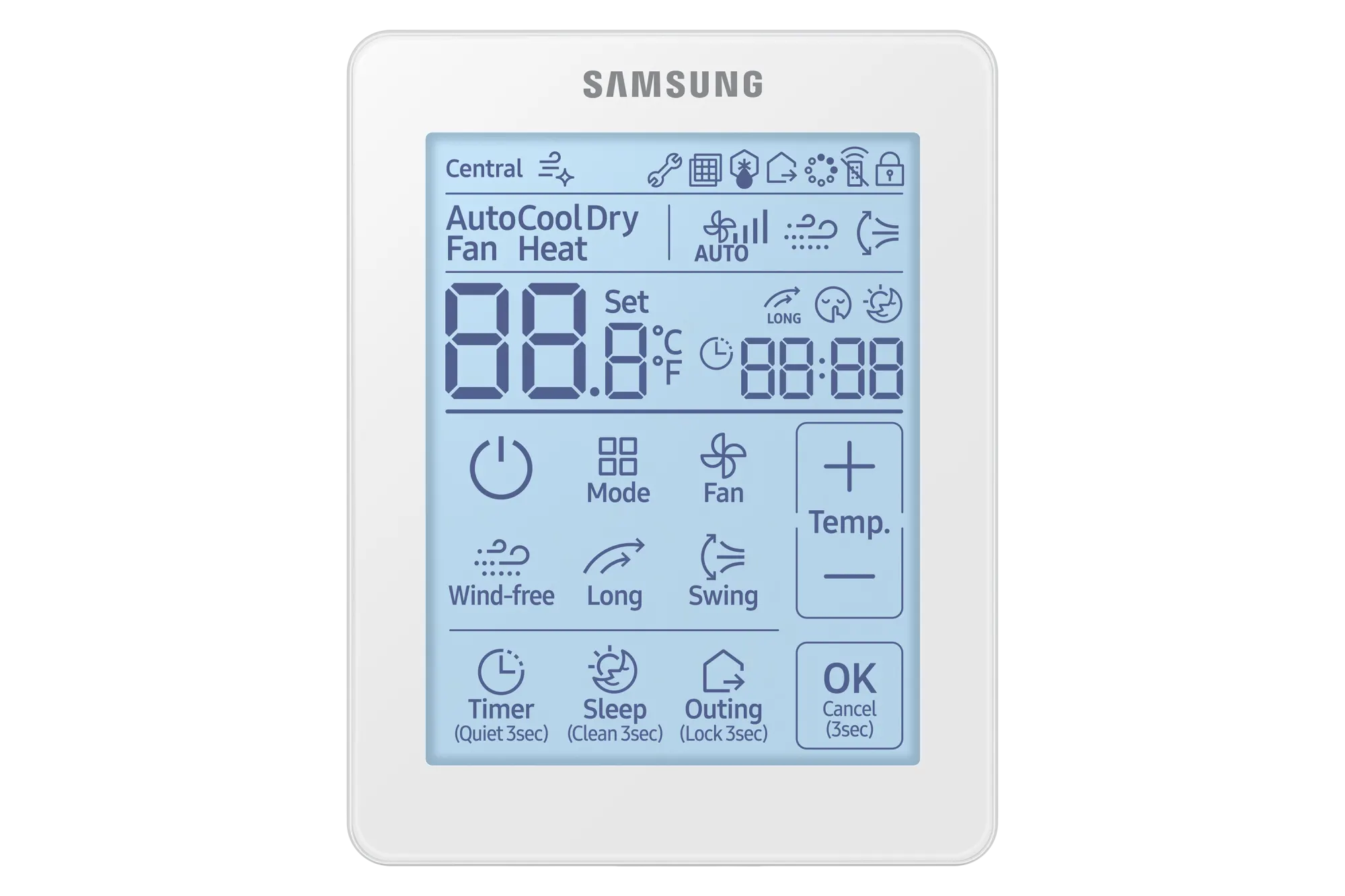
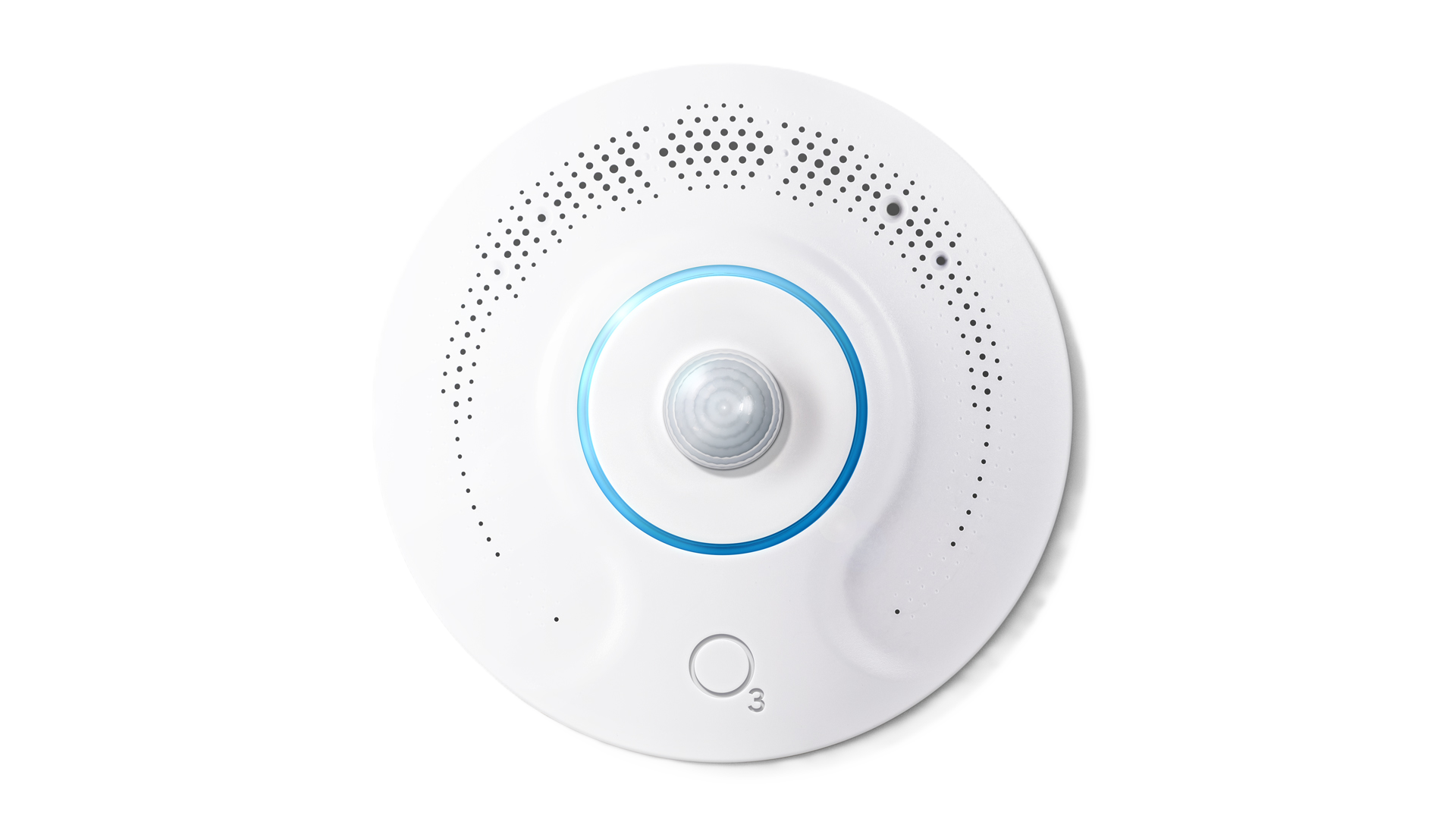
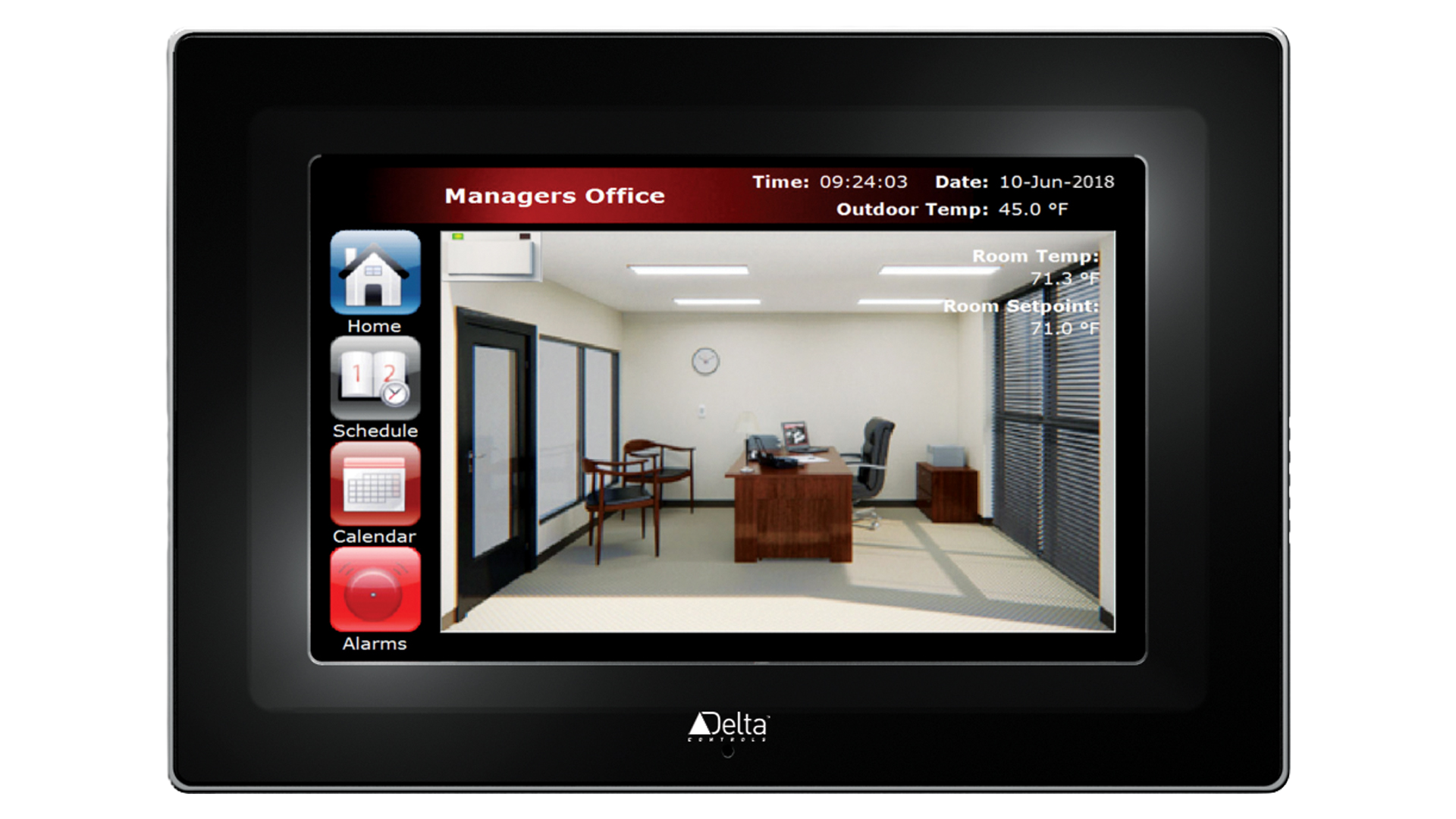
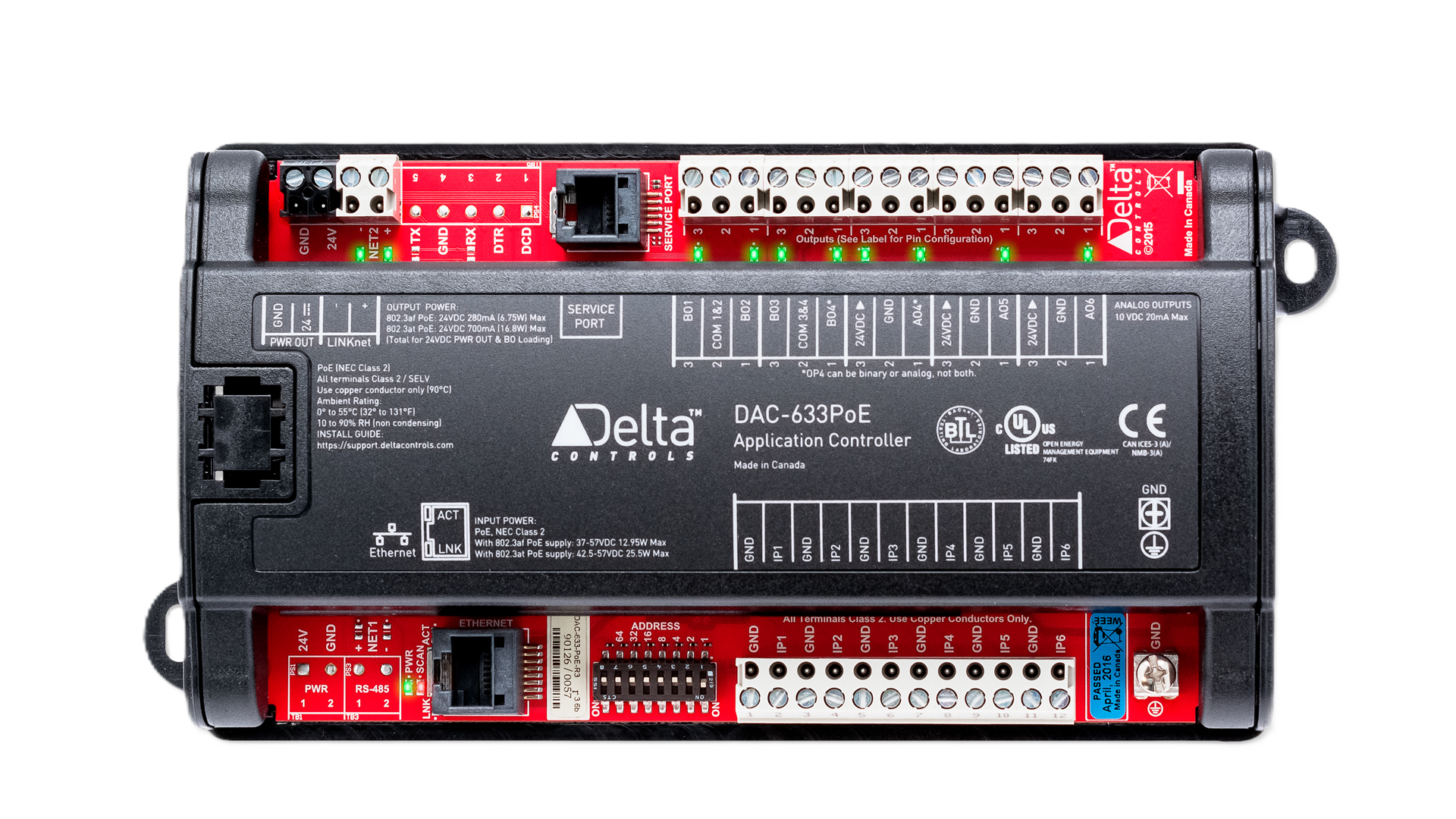
- Ecosystem Integration: Architected to support ecosystems of 50+ devices, including endpoints from external manufacturers such as Samsung and Delta.
- Protocol Orchestration: Implements multi-directional communication across TCP/IP, UDP, and HTTP/HTTPS, as well as industrial protocols like CANbus to communicate across the entire ecosystem.
- Asynchronous Backend: The Java-based core uses multithreaded modules and async algorithms to manage high-frequency data population and provide advanced features such as emailing, analytics, scheduling, user accounts, etc.
Bi-Directional Web Interface
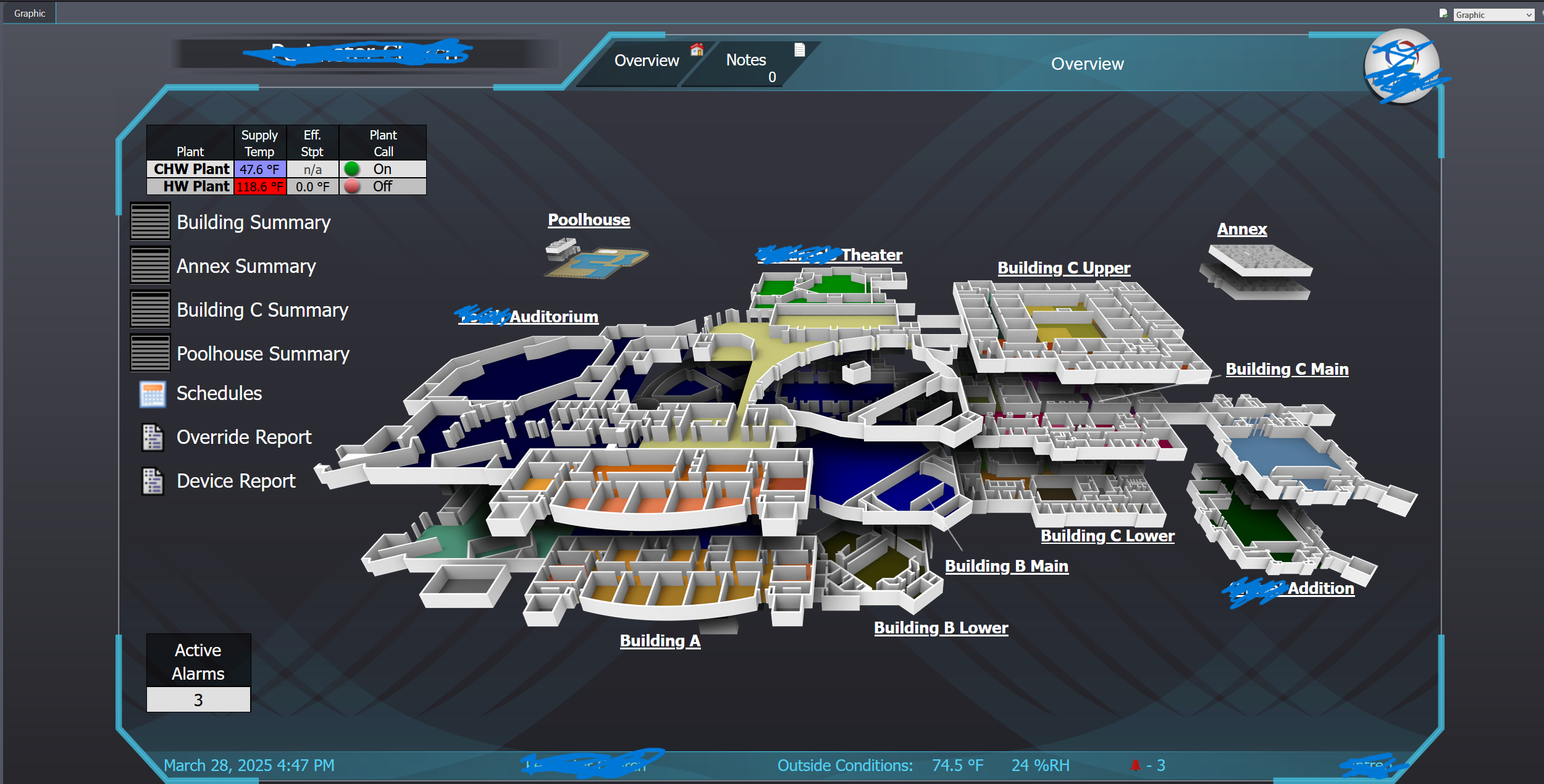
The front-end is a sophisticated web application built with HTML5 and CSS3, designed for sub-second interaction speed.
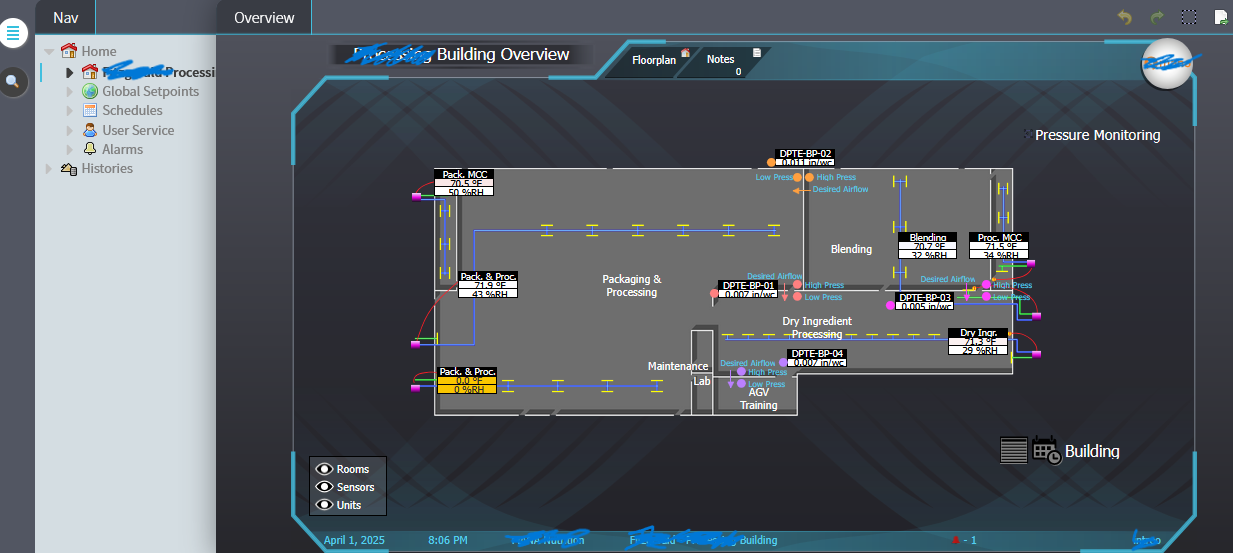
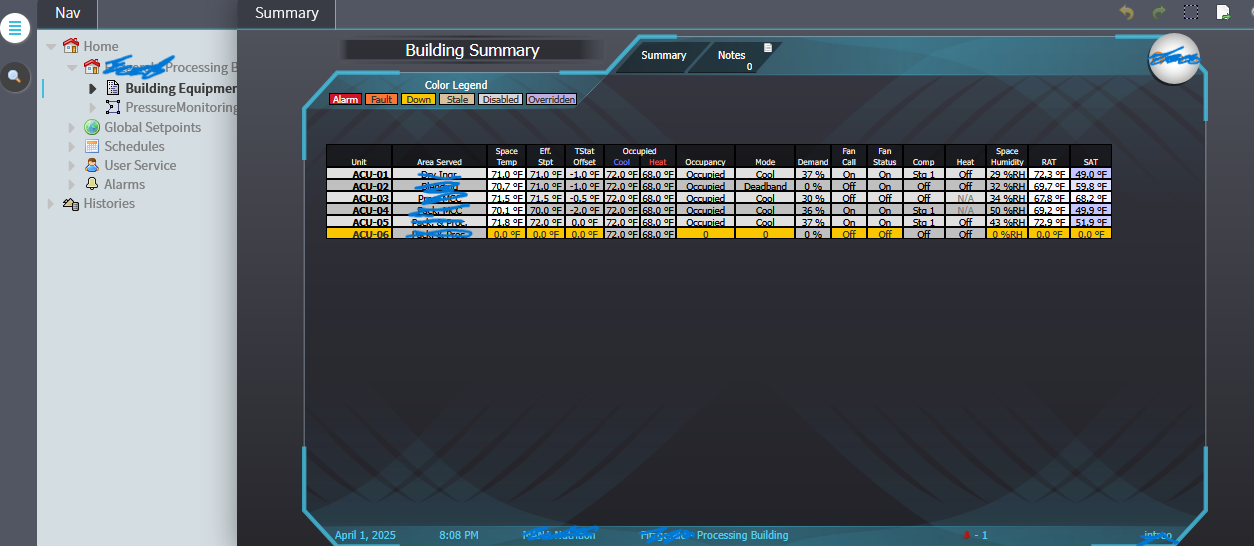
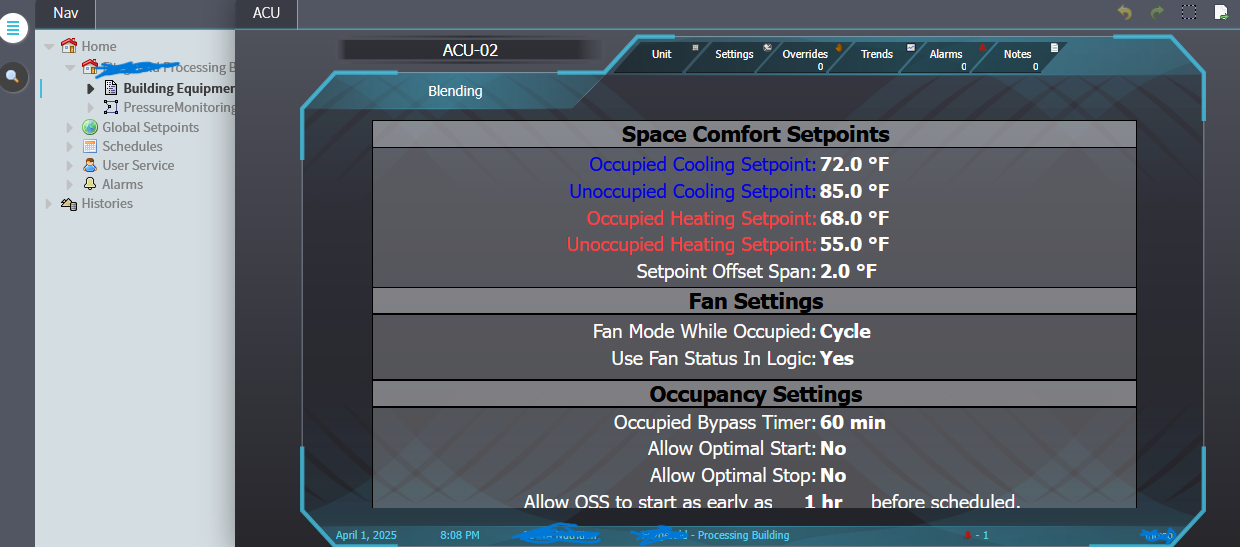
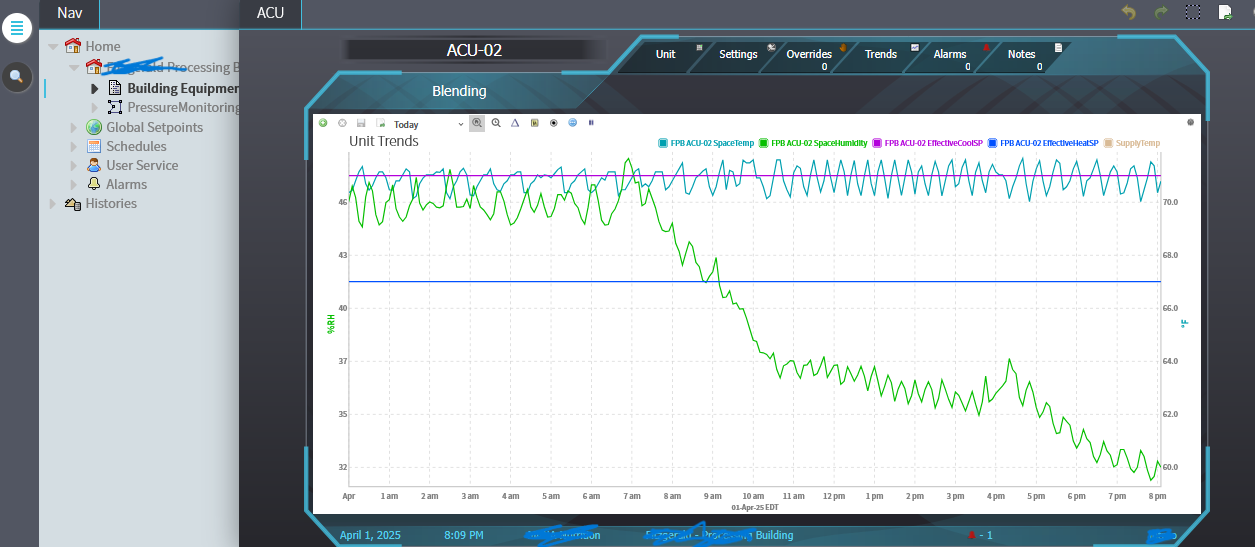
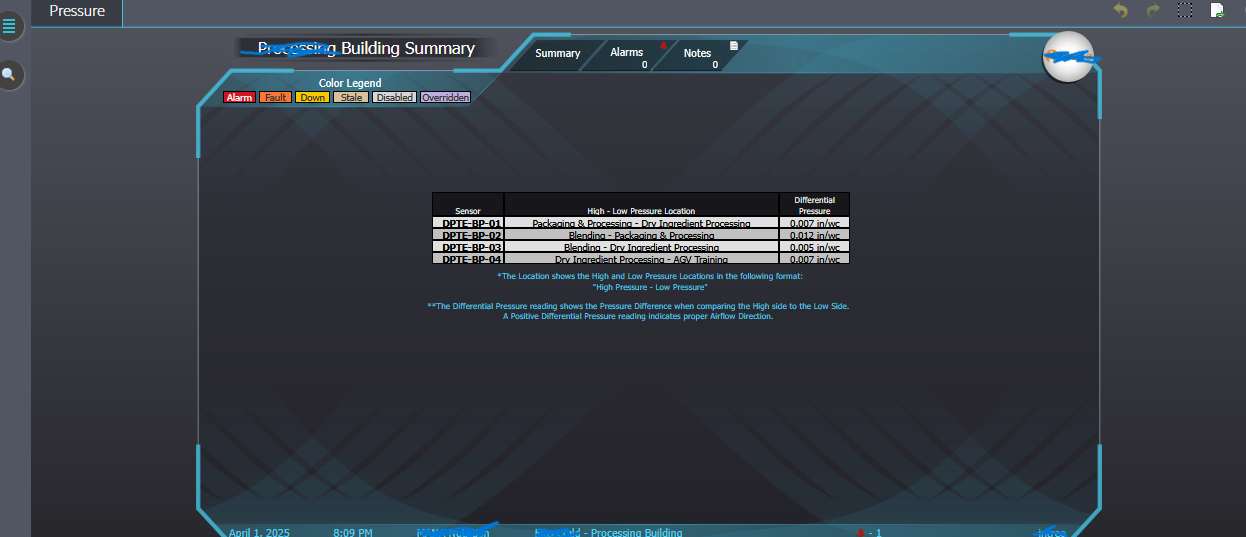
- Real-Time Interaction: The interface allows for the immediate remote toggling of infrastructure states and real-time adjustment of operational settings while providing responsive data visualizations.
- Custom Theming Engine: A custom Node.js API integration transforms the proprietary engine into a fully custom UI experience by providing tailored themes and system respective light/dark modes.
- Universal Access: Optimized for a fluid high-performance experience across all platforms, including web and mobile.